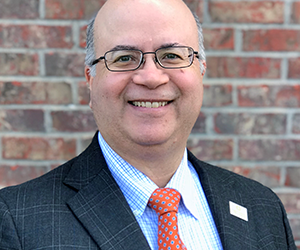
Dr. Octavio N. Martinez, Jr.: Integrated health care in Texas should be a priority
April 23, 2010

Austin American-Statesman
Too often, our minds and bodies are separate when it comes to health care. Physical and mental conditions typically are treated by different people in separate locations. Medical records with diagnoses, test results and prescriptions are scattered among providers. Insurance companies have offered separate plans with different terms.
The results are disturbing. Undiagnosed and untreated physical and mental illnesses can create a potentially lethal downward spiral. Consider these facts:
- Texans with serious mental illnesses such as bipolar disorder and schizophrenia die nearly 30 years earlier than the general population. (The national average is 25 years.) Almost two-thirds of these deaths are caused by a treatable physical illness, but health care is beyond the reach of many people with debilitating mental health conditions.
- People with serious physical illnesses such as diabetes and heart disease are more prone to depression and anxiety, which can impair a person's ability to follow doctors' orders, take medications and make positive life changes, such as quitting smoking, eating healthier and exercising.
Mental and physical health isn't just absence of illness — it's the ability to lead a meaningful life, deal with day-to-day problems and have successful relationships. Through health care reform, we can build a strategic, efficient and effective health care system that treats people's minds and bodies together so they can enjoy longer, healthier, more productive lives.
What will it take? The framework exists with health care reform and parity laws that require equality in physical and mental health insurance coverage. The real opportunities for improvement will be in deciding how these laws are carried out at the local, state and federal levels.
The Hogg Foundation for Mental Health and other health foundations in Texas can offer solutions and expertise as policy makers begin improving health. Here are six ideas for achieving whole health care. None of these is new; all have been proven effective elsewhere.
- Increase access to services: Health care reform and parity laws mean more people will have access to physical and mental health care. An estimated 833,000 Texas adults have a serious mental illness. Only 173,000 receive state mental health services. It's critical to inform people of their eligibility and prepare the public health care system to meet their needs.
- Encourage whole health care: Many mental health conditions can be treated in a primary care setting. Doctors should ask about a patient's mental well-being and coordinate with a mental health professional to diagnose and treat mild to moderate symptoms. Mental health professionals should ask about consumers' physical health, monitor their response to medication and refer them for treatment of physical symptoms. Texas already is moving in the right direction. In 2009, the Legislature created a work group to recommend policy changes to support integrated health care in Texas.
- Offer more local services: Most people want to get mental health services in their community. But services aren't always available because of a patchwork of local, regional and state mental health systems.
- Prevent, identify and treat early: The first symptoms of mental illness often appear years before the condition fully develops. Informed family, friends, colleagues, educators and child care providers can identify warning signs and encourage early treatment. Promoting healthy behaviors and beliefs can prevent some mental and physical illnesses from developing in the first place.
- Build the work force: Texas doesn't have enough mental health workers to meet demands; it's a large state with many cultures and languages. Among the solutions: scholarships for mental health professions, incentives for people to work in rural or underserved areas, and training and pay for people who have recovered from mental illness and want to help others achieve recovery and wellness.
- Enhance medical records: Comprehensive electronic medical records can improve physical and mental health care and help prevent errors that can occur when providers don't have a person's complete medical history. Ensuring the security and accuracy of electronic records must be addressed first, however.
Adopting even one of these proposals will create positive changes in health care in Texas. Embracing all of them will put Texas at the forefront of health care reform and practice.
Martinez is executive director of the Hogg Foundation for Mental Health at the University of Texas.